Strategic Alert Configurations in Mobile Reel Applications for Layered Rewards and Rapid Secure Payouts
Hugo Reed · Nov 22, 2026
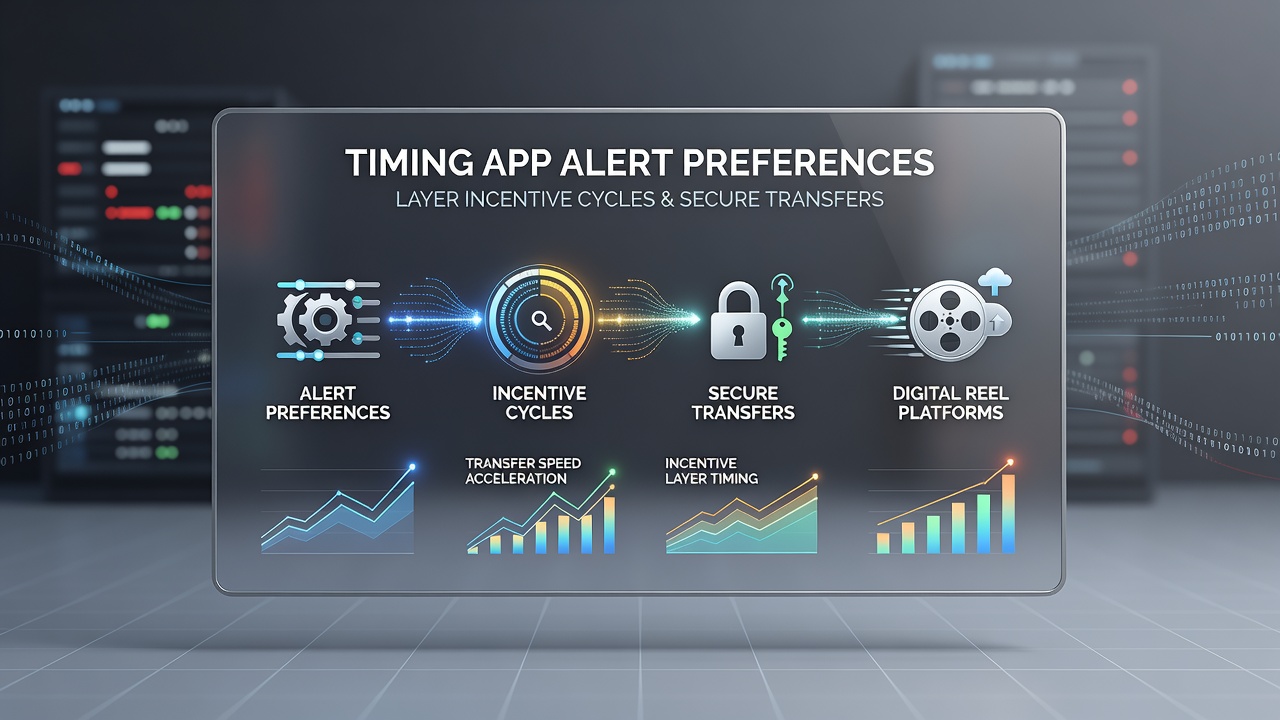
Strategic Alert Configurations in Mobile Reel Applications for Layered Rewards and Rapid Secure Payouts
Digital reel platforms have refined their notification systems over recent years so that users can adjust alert timings to align with promotional cycles and payment processing windows. Observers note that these adjustments help coordinate bonus activations with user availability while maintaining the security protocols required for fund movements. Data from platform analytics indicates that precise timing preferences reduce missed opportunities in layered incentive structures and support faster verification sequences for transfers.
Core Mechanics of Alert Timing in Reel Environments
Application developers design alert preferences around user-selected intervals that correspond to daily or weekly incentive layers, including reload bonuses and free spin allocations. Researchers have documented how these preferences integrate with backend systems that track progressive jackpot contributions and VIP tier progressions. When alerts fire at optimal moments, they trigger sequences that stack multiple reward types without overlapping cooldown periods, and this coordination relies on synchronization between the app's notification scheduler and the platform's transaction ledger.
Platform records from 2025 show increased adoption of customizable alert windows, particularly among users who participate in multi-tiered promotion chains. Those who study these patterns report that intervals set to coincide with peak server activity often accelerate the initial security checks required before funds move to external accounts. And the same records reveal that mismatched timings lead to delayed verifications even when the underlying transfer infrastructure remains stable.
Layering Incentive Cycles Through Notification Preferences
Incentive layering occurs when successive bonuses activate in sequence rather than in isolation, and alert preferences serve as the trigger points for each stage. Experts observe that users configure daily alerts to activate 30 to 60 minutes before scheduled promotion windows, allowing time to review eligibility and complete any required verification steps. This approach supports continuous momentum across free spin batches and cashback layers while the platform's compliance checks run in parallel.
Studies of mobile reel usage patterns indicate that platforms release new incentive tiers at consistent intervals, often aligned with monthly calendar resets. When alert timing matches these releases, participants can stack rewards across multiple categories before any single offer expires. Figures from industry reports show that synchronized alerts correlate with higher completion rates for multi-stage promotions, especially during periods of elevated platform traffic.
Accelerating Secure Transfers via Timed Alerts
Secure transfer acceleration depends on preemptive alert notifications that prompt users to confirm identity details or approve withdrawal requests before processing queues fill. Regulatory bodies such as the Pennsylvania Gaming Control Board have published guidelines on transaction timelines that encourage platforms to streamline verification through user-controlled timing tools. Those guidelines emphasize that advance notice reduces friction during peak withdrawal periods without compromising security layers.
Platform engineers implement alert preferences that link directly to the status of pending transfers, sending reminders when additional documentation becomes necessary or when funds clear internal holds. Data released by the Victorian Responsible Gambling Foundation highlights how such integrations shorten average processing durations by aligning user actions with automated system checks. In November 2026, several major operators plan to introduce updated alert modules that incorporate real-time status feeds from banking partners, further tightening the connection between notification timing and transfer speed.
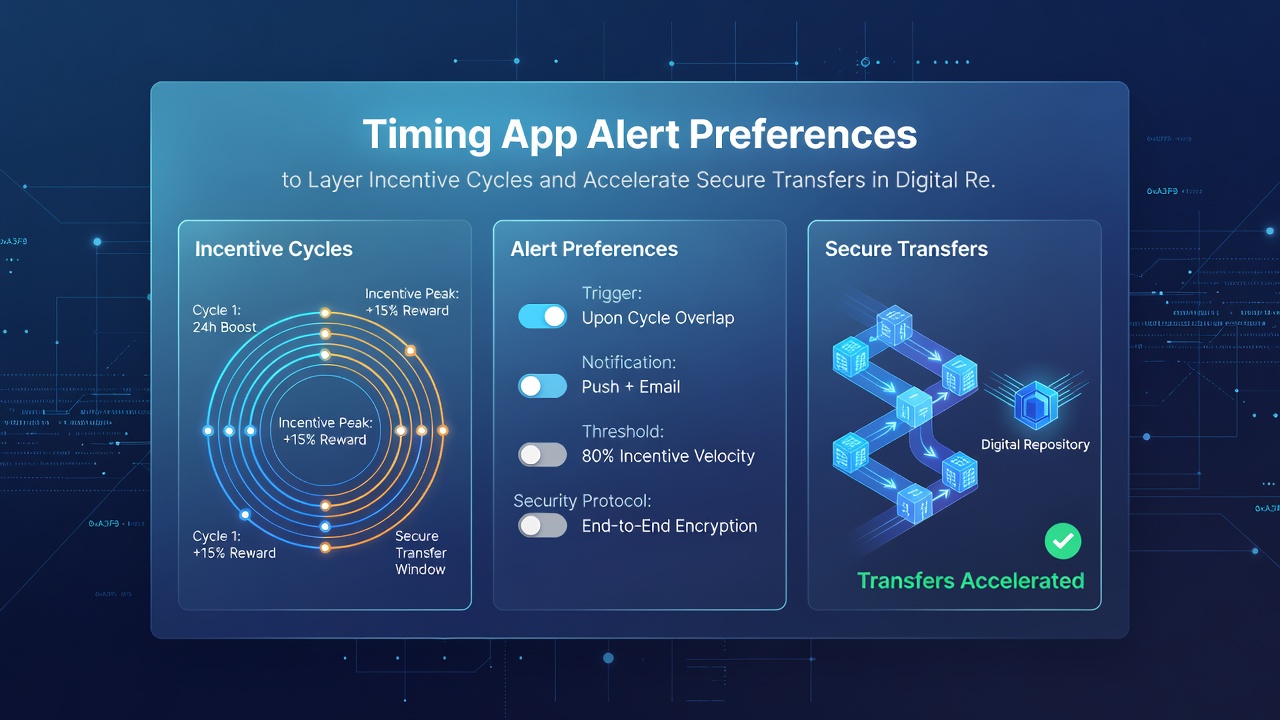
Integration Patterns Across Major Platforms
Leading digital reel providers embed alert configuration menus within account settings, allowing selection of frequency, priority, and associated incentive types. Observers note that these menus often group options by reward category so that users can prioritize progressive jackpot alerts separately from standard bonus notifications. This segmentation supports targeted layering without overwhelming the notification stream.
Case analyses from 2025 demonstrate that platforms using modular alert systems achieve measurable improvements in transfer completion rates when users activate timed reminders for verification milestones. Researchers at academic institutions tracking gambling technology adoption have recorded similar outcomes across multiple jurisdictions, confirming that timing alignment serves as a consistent factor in operational efficiency.
Future Developments Expected by Late 2026
Developers continue to test machine-learning models that predict optimal alert windows based on individual transaction histories and promotion calendars. These models aim to refine timing preferences automatically while preserving user override capabilities. Industry briefings scheduled for November 2026 will present initial findings from pilot programs that link predictive alerts to cross-platform transfer networks.
Current specifications already allow integration with external security tokens, and future iterations will extend this capability to alert-triggered approvals that bypass manual login steps during verified sessions. The evolution maintains focus on regulatory compliance while reducing the interval between incentive activation and fund availability.
Conclusion
Alert timing preferences function as operational tools that coordinate incentive layering with secure transfer processes on digital reel platforms. Platform data and regulatory documentation establish clear connections between synchronized notifications and improved transaction throughput. As operators prepare updates for November 2026, the emphasis remains on maintaining factual alignment between user-configured settings and backend security requirements.